Japan successfully completes the world's first detonation engine space flight test
Japan successfully completes the world's first detonation engine space flight test
Japan successfully conducted space demonstration tests on detonation engines using the S-520-31 sounding rocket.
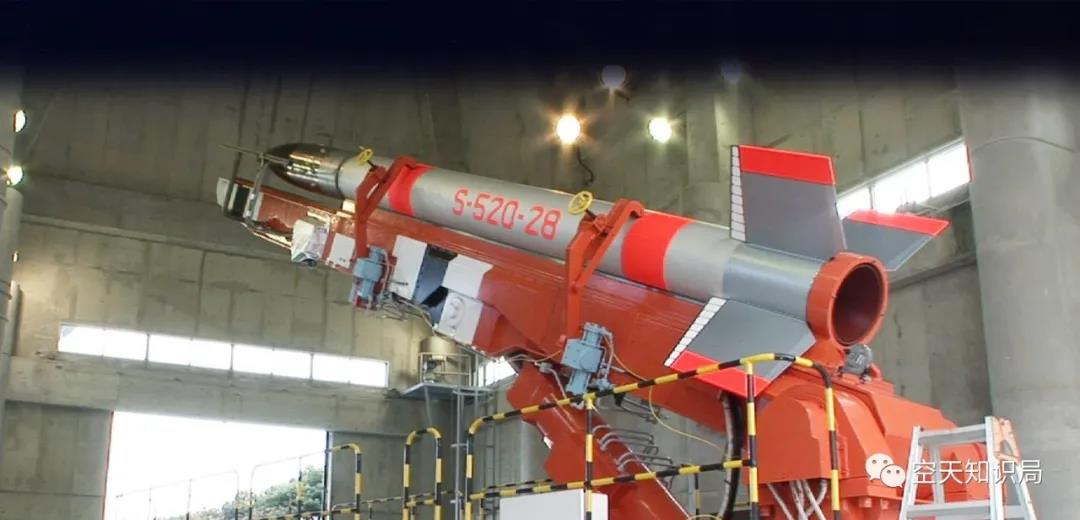
Figure 1. The detonation engine system DES (hereinafter referred to as the "system") developed by a research team from the Space Science Research Institute of JAXA, Tokai National High School, Future Materials and Systems Research Institute of Nagoya University, Graduate School of Engineering of Nagoya University, Keio University, and Muroran Institute of Technology (hereinafter referred to as "Muroran Institute of Technology") in collaboration was carried on the sounding rocket S-520-31, marking the world's first successful space flight demonstration.
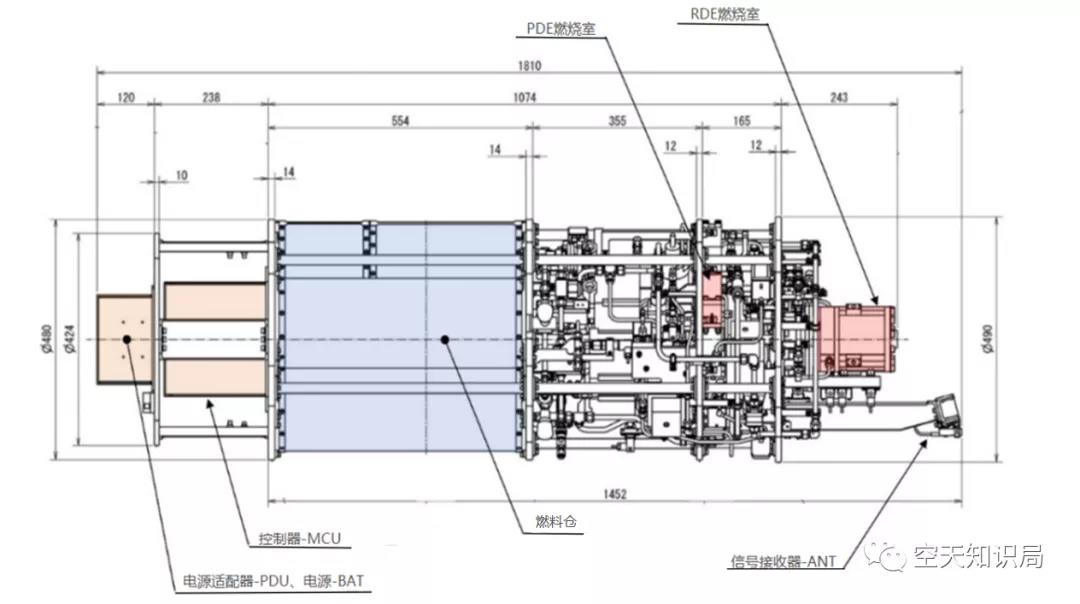
Figure 2. Detonation Engine System - DES
The system is installed in the mission section of the sounding rocket S-52-31 and was launched from the Uchiura Space Center of the Japan Aerospace Exploration Corporation at 5:30 am on July 27, 2021. After the separation of the first stage motor, the rotary detonation engine (working for 6 seconds with a thrust of 500N) and the pulse detonation engine (working for 2 seconds x 3 times) operate normally in outer space.
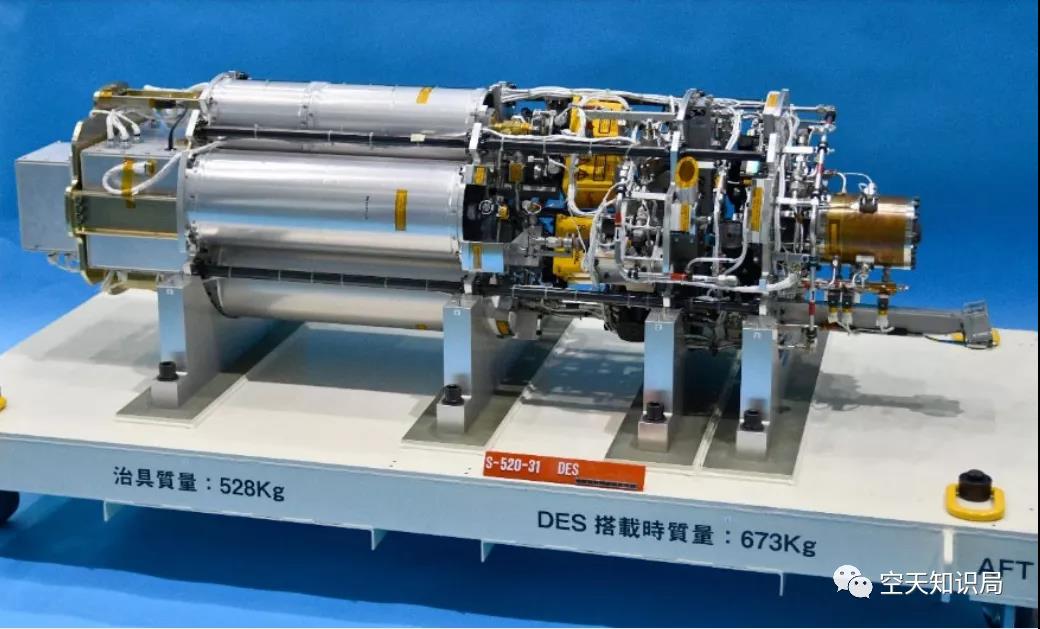
Figure 3. Detonation Engine System DES (actual image)
During the operation of the system, the image, pressure, temperature, vibration, and attitude data were normal, and the experimental data was successfully collected. For experimental data, in addition to traditional telemetry data collection, high-definition data is also obtained using a small memory installed on the capsule return capsule RATS. After the detonation engine test, the RATS was separated and returned to the sea from outer space. GPS data transmitted by the RATS was obtained through satellite communication to determine its location at sea, and collected by helicopter. The image information recorded in RATS has been obtained (as shown in the figure), and the obtained data confirms that the detonation engine is operating normally.
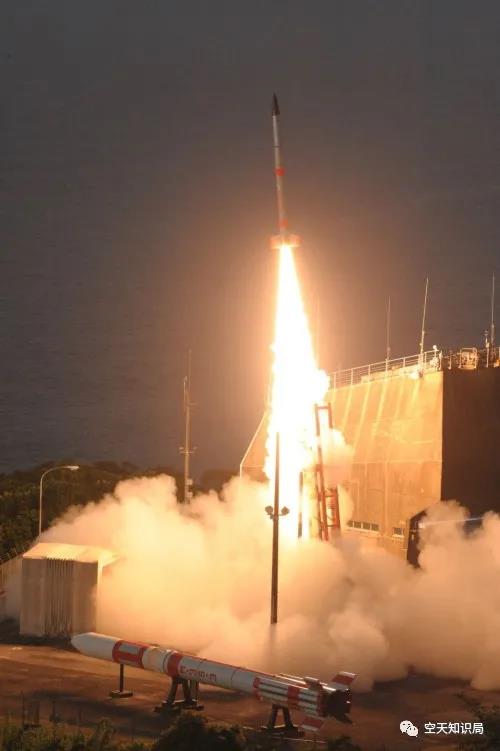
Figure 4. Launch of sounding rocket S-520-31
The rotary detonation engine significantly increases reaction speed by generating one or more detonation waves that rotate in the circumferential direction at high frequencies (1 to 100 kHz), thereby greatly reducing the weight of the rocket engine, easily generating thrust, and improving performance. The success of this space flight demonstration test greatly increases the possibility of using detonation engines for deep space exploration attitude and orbit control, rocket first and second stage engines, and other applications. In the future, JAXA plans to apply detonation engine technology to missions such as deep space exploration, which will contribute to space science research and make space exploration faster and more convenient, such as miniaturization, lightweighting, and interstellar navigation of spacecraft systems. In addition, the capsule return capsule (RATS) used in this space demonstration experiment can achieve sea recovery, fully demonstrating the feasibility of experimental data and sample recovery.
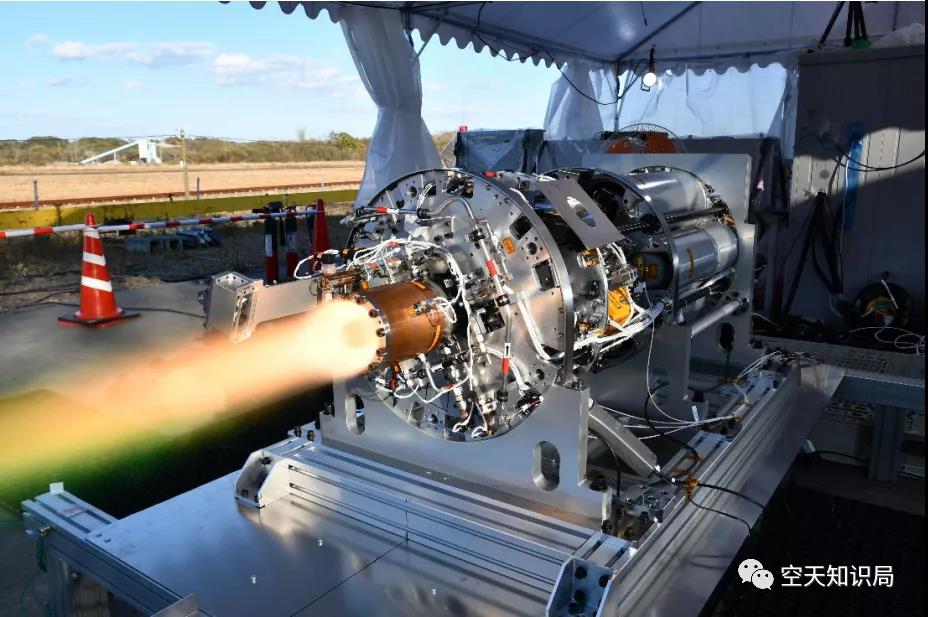
Figure 5. Ignition test of detonation engine system
The sounding rocket test team responsible for these experiments will continue to actively lead this challenging test plan to support the demonstration of new technologies, contribute to advanced scientific research, and lay the foundation for future technological development.
This study was conducted with the support of strategic development research (engineering) by the Space Engineering Committee of the JAXA Institute of Space Science from 2014 to 2021, the NEDO Energy and Environment New Technology Leadership Program from 2015 to 2017, and scientific research grants from the Japan Association for the Promotion of Science from 2019 to 2023.
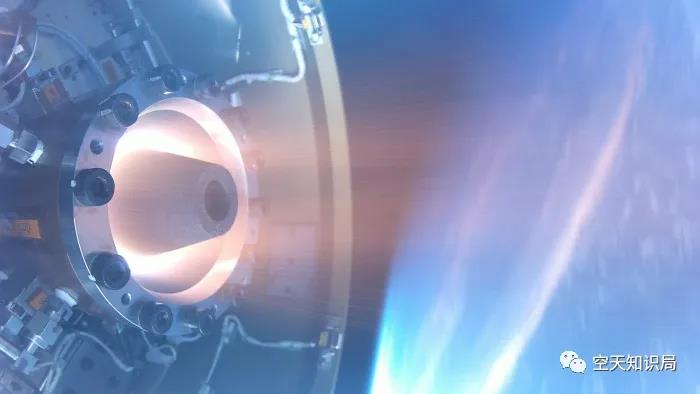
Figure 6. Working time of rotary detonation engine (RDE) in outer space
The elliptical illuminated part on the left side of the screen is the annular combustion chamber of the rotary detonation engine, with a thrust of approximately 500N. On the right side of the screen is the Earth captured from outer space, and the image data was collected by the return capsule RATS. (Source: Nagoya University, Japan Aerospace Exploration Agency)
Source: Aerospace Knowledge Bureau